
Can AI replace human designers? The question comes up whenever someone sees an AI tool generate a poster in seconds. Some people think designers are almost unnecessary. Others treat AI like a toy that only remixes images. Both reactions move too fast. AI has changed design work, but it still behaves more like a fast visual fishing net than a designer who understands business, culture, and people.
AI works like a large vector net
One way to understand AI is to imagine a huge net woven from user prompts and vector relationships. When a user types a sentence, the system turns language into computable directions, searches learned patterns in its knowledge space, and finds nearby relationships among images, styles, compositions, and meanings. It can catch many things: vintage posters, futuristic product scenes, minimalist packaging, cinematic backgrounds. Most of these results come from association, probability, and recombination.
AI is strong at speed; designers are strong at judgment
Design work includes plenty of mechanical tasks: resizing batches of images, making multiple poster versions, extending key visuals, generating backgrounds, replacing scenes, and testing color palettes. AI is useful in these areas. It gives designers more visual options in less time. A direction that once took an afternoon to explore can now appear in minutes. The harder question remains human: which direction fits the brand, which idea can persuade customers, and which expression builds trust?
AI lacks creative intention
Creativity is more than mixing elements. A designer considers brand history, customer psychology, channel limits, competitors, budget, visual trends, and the client’s real intent. When a client says “make it premium,” the designer has to hear what that means. Does the client want it to feel professional, expensive, young, or trustworthy? AI can generate many images under a “premium” prompt, but it rarely asks what that premium feeling is supposed to achieve.
The designer’s value will move upward
The people most at risk are those who only execute repeated tasks and avoid understanding the brief. Skilled designers will use AI as a sketch assistant, inspiration library, batch production tool, and visual lab. They can test ideas faster, show directions earlier, and spend more time on strategy, selection, revision, and final expression. Generating one hundred images is easy. Choosing the one that fits the brand and refining it until it can be used is still design work.
AIGCSDM connects demand with design capability
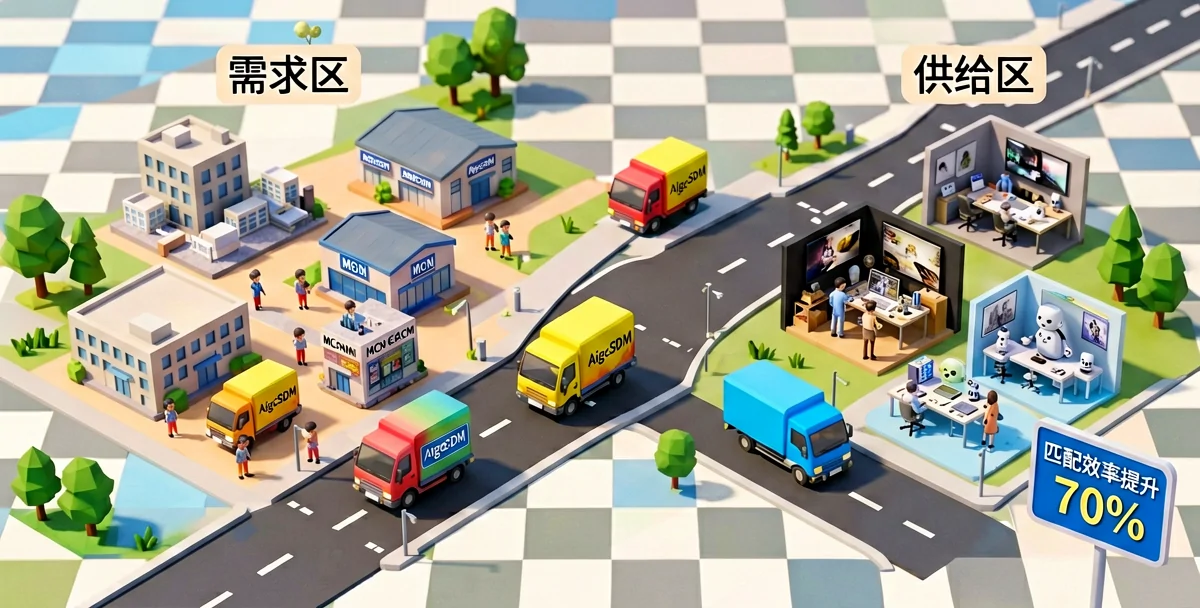
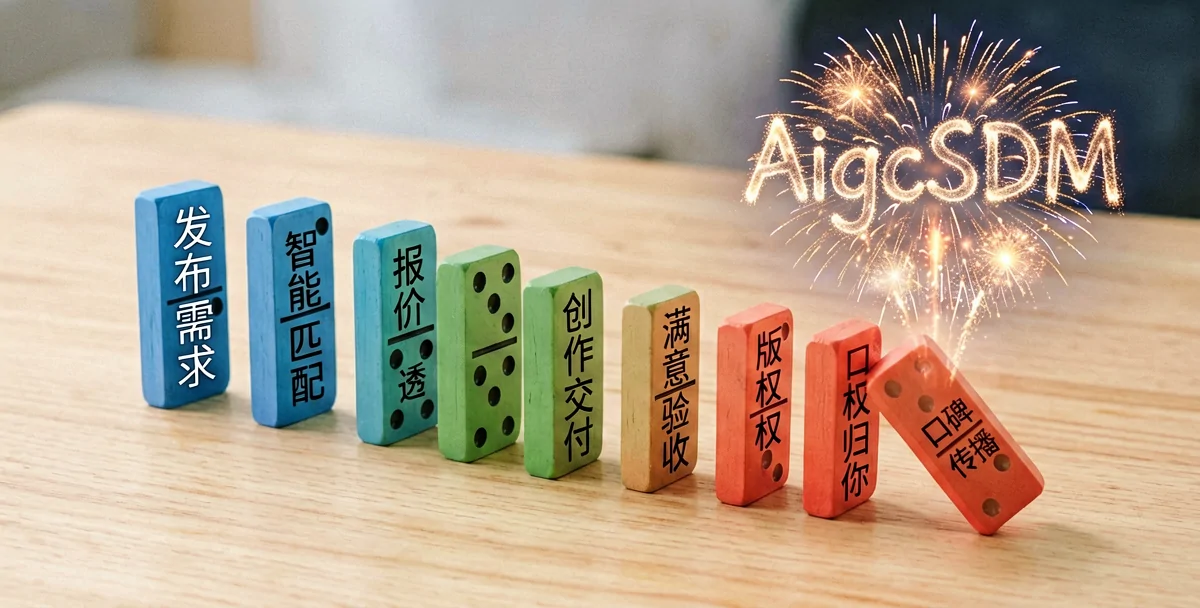
For companies, the practical question is finding people who can use AI well. AIGCSDM is an AIGC supply-and-demand matching platform where users can post needs for AI images, advertising visuals, e-commerce images, and promotional materials. It helps connect projects with creators who understand both tools and design logic. At the current stage, AI can cut repetitive labor, shorten testing cycles, and reduce some visual production costs. Human designers still lead direction, judgment, innovation, and final quality.


