
AI video is developing quickly. Video models are getting better, and some simple parts of traditional video production are already under pressure. Many people see an opportunity and want to learn AI short drama production. The field has potential, but many people are already doing it and client demand has not fully opened up. Beginners may face low prices and strong competition.
AI short drama is serialized video content. Published examples often use episodes of about 1 to 5 minutes, but episode count, total runtime, visual quality, and delivery schedule depend on the project. Being able to generate a few shots does not mean you can deliver a full series.
Start with the story
The first skills to build are visual taste and directing. Is the story interesting? Do the characters stand out? Does the composition feel right? Can the storyboard make the action clear? Can the pacing keep people watching? These questions matter more than how many prompt formulas you know.
Start with short samples. Write a simple script, break it into shots, and decide the characters, locations, camera work, and sound. After each sample, check whether the character changes, the action flows, the shots are easy to understand, and the pacing is too slow. These are the skills that can become paid work.
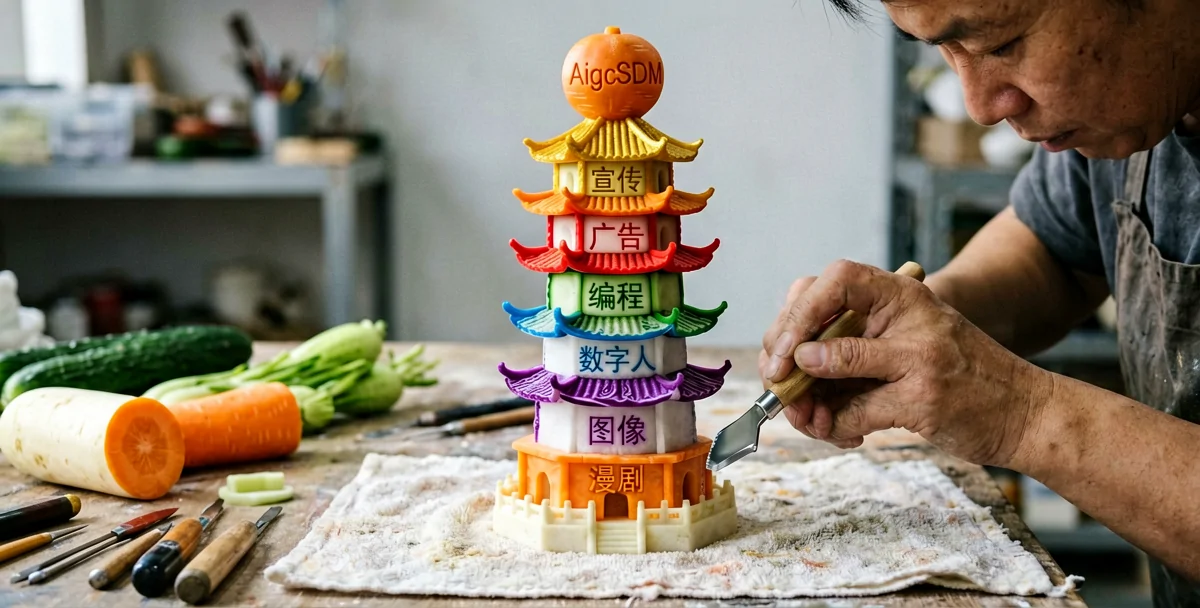
Do not spend too much at the start
An expensive course does not guarantee clients. Using closed models for every shot can also make learning and generation costs rise quickly. A small paid course may help you understand the basic workflow. After that, keep practicing with public tutorials, production breakdowns, and complete sample projects. Before joining an expensive program, check the teacher's real work, course content, and support. Do not rely on promises of quick freelance income.
Use different models for different shots
Professional teams usually do not use one model for every shot. For complex action and high-dynamic scenes, they may consider a closed video model such as Seedance. For simple transitions, camera moves, and stylized shots, they may try open models such as LTX-Video. Using the more expensive model only for important shots may lower the total generation cost.
Open models still have costs. Hardware, deployment, licensing, tuning, maintenance, and human fixes all count. Start with an existing workflow. Build a local setup only after you know that you really need batch production.
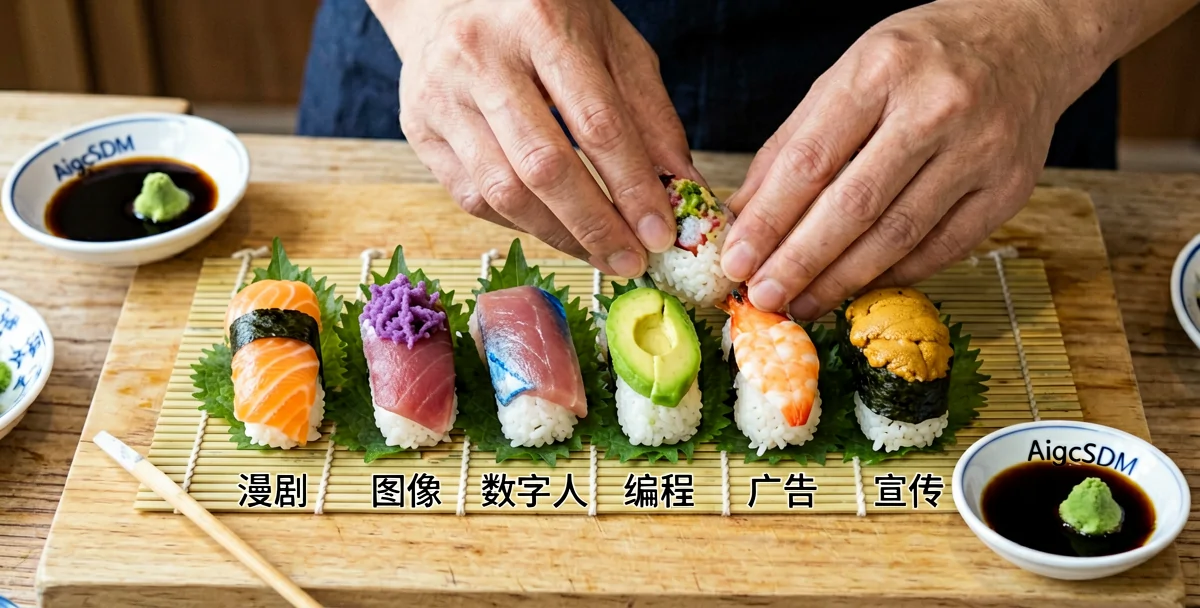
Learn and look for work at the same time
Post samples on TikTok, Instagram, YouTube, Bilibili, or other social platforms. Show more than the final image. Share the script, storyboard, character design, and before-and-after revisions so clients can see what you can do. Follow open-source creators on ModelScope, Hugging Face, and Bilibili to keep your workflow current.
Once you have several stable samples, use an AIGC service marketplace for short drama work to find clients or production partners. At the beginning, take one part of the job, such as storyboards, character design, shot generation, voice work, or editing. Take on a full series after your delivery process becomes reliable. The practical path is simple: tell a good story, control costs with the right models, and use steady work to earn more orders.


