
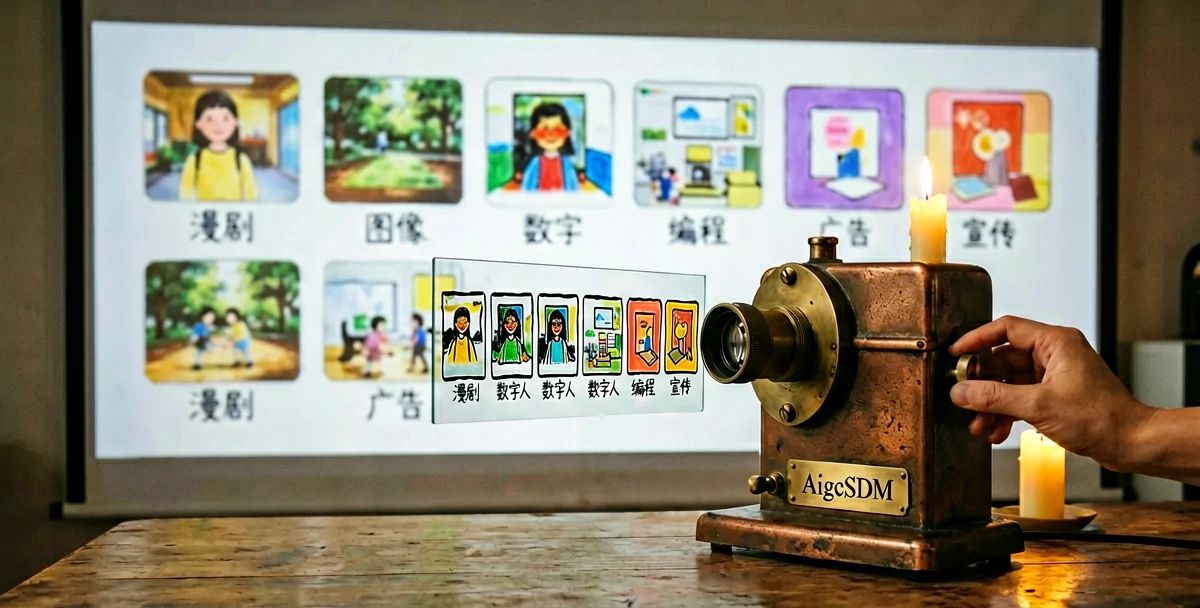
People searching for “AI advertising video case studies in 2026” usually want a clear visual reference. Watching finished work before starting a campaign can make the style and budget easier to discuss. Visit the AigcSDM Work Gallery at AI advertising video case studies in 2026, watch the sample videos, and compare different approaches before choosing a direction.
Use case studies to set the direction
Do not save attractive frames without context. First define the product, the publishing channel, and the one thing viewers should remember. An e-commerce short video usually needs a clear benefit and quick pacing. A brand film may need more room for mood and identity. The reference should match the job.
Watch the opening and the order of information
The first moments should give viewers a reason to continue. Check how quickly the product appears, whether the voiceover and captions are easy to follow, and whether the selling points build in a sensible order. The ending should also make the next action clear, such as contacting the brand, following an account, or visiting a product page.
Check whether the product stays consistent
Good-looking AI shots are easy to notice. Product consistency takes more work. Packaging, color, structure, logos, and usage should stay stable from shot to shot. For a character-led ad, review the character’s appearance, movement, and emotion as well. These details affect how much people trust the brand.
Look for the human work after generation
A publishable advertisement usually includes a script, storyboard, shot selection, voice, music, captions, editing, and color work. The model name is only one part of the process. Creative judgment and post-production decisions shape the finished piece. A few generated images cannot show whether a team can deliver a complete advertisement.
Check whether the delivery fits the channel
Ask about aspect ratio, duration, resolution, captioned and clean versions, source files, and revision rounds. Short-video platforms, websites, and offline screens may require different exports. Confirm the usage rights for product images, logos, people, music, and fonts before production begins.
Turn a reference into a usable brief
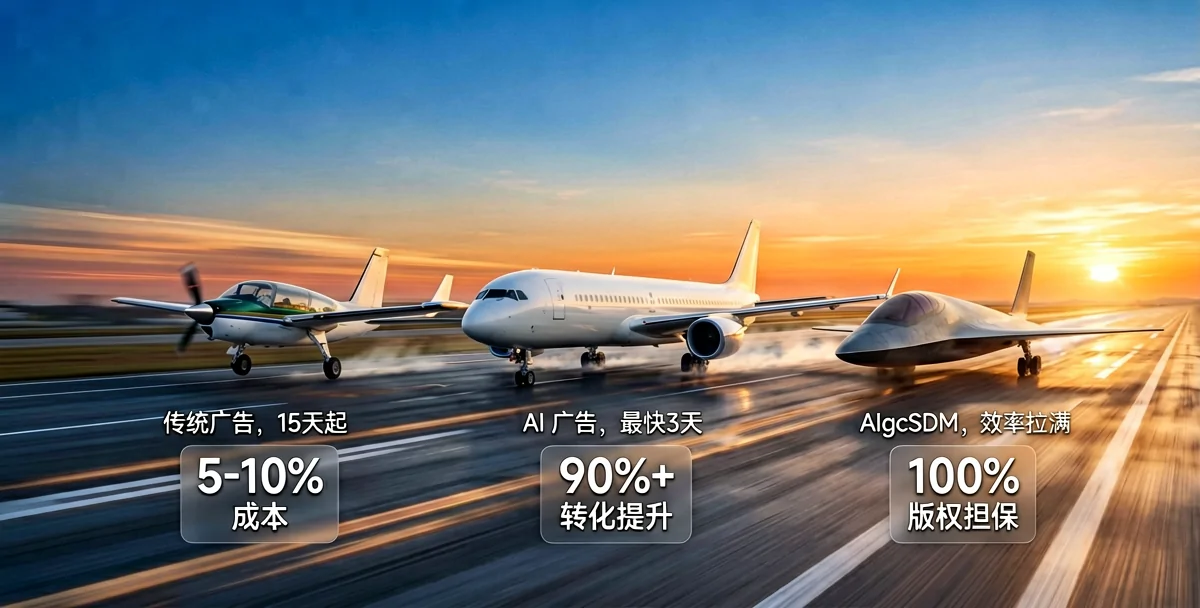
After watching the samples, choose two or three that feel close to your idea and write down what you like about each one. It could be the opening, shot speed, product close-ups, or color treatment. Add the product information, audience, channel, duration, budget, and deadline. The production team will understand the request much faster.
A case study helps you find a direction. It does not promise the same result for every project. Watch the videos in the AigcSDM Work Gallery, then compare the style and team with your own product. That simple preparation is usually more useful than asking for a price before explaining the job.


