
Searches for AIGC cultural tourism still return many tool guides and broad trend pieces. Several public updates from 2026 make the discussion more concrete: cultural-tourism organizations are running AI innovation competitions, a regional tourism corridor has established an AIGC creative center, and a local authority is collecting AI short films based on tourism resources. AIGC is entering the content pipeline, although each place is choosing a different route.
Three updates point to a change in how content is organized
On February 5, 2026, Xinhua reported the launch of Hubei cultural tourism's first AI innovation competition, focused on presenting the landscapes of Hubei and the Jingchu region through technology. The value of such a program is not limited to collecting a few videos. It creates a way to turn local cultural resources into digital content that can be created, reviewed, and distributed.
On May 24, 2026, a public notice from the Chongqing municipal government said that an AIGC creative center for the Bashu cultural tourism corridor had been inaugurated in Chongqing, alongside the release of an AIGC short film about an ancient city gate. This looks closer to a continuing content mechanism: a regional system for selecting topics, producing work, and publishing it around cultural and tourism resources.
On April 22, 2026, Beijing Daily reported that Yanqing had opened a call for contributions to an AI short-film library based on its cultural and tourism resources. The idea matters because destination promotion does not have to depend on one annual brand film. A library can cover landscapes, villages, intangible heritage, festivals, routes, and seasonal events over time.
The first change is the supply of usable content
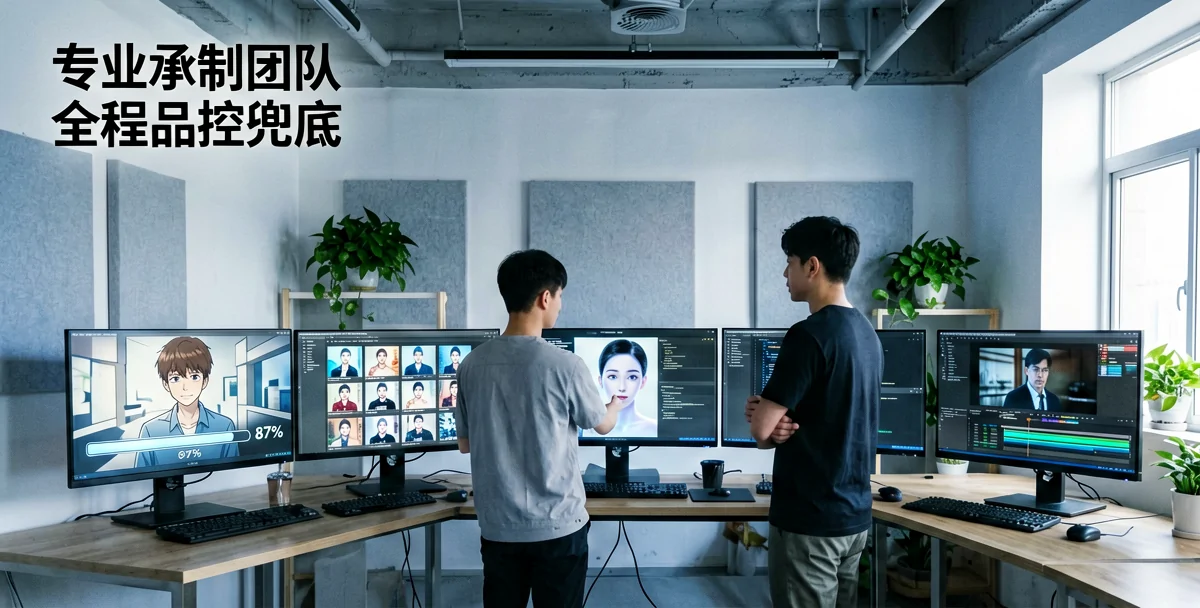
In the past, a destination might produce one long promotional film and cut it into a few short clips. With AIGC, a team can first establish visual assets and content themes, then create a horizontal brand film, vertical social ads, event teasers, and local-culture stories for different channels. The same source materials can be reorganized, but every piece still needs its own script and shot decisions.
This requires better preparation from tourism bureaus and destination operators. They need to organize approved landmark photographs, route information, historical records, intangible-heritage materials, brand fonts, and logos, then decide which details must be reproduced faithfully and which scenes may be interpreted creatively. AI can fill in an imagined establishing shot, but it cannot replace fact checking. Names, dates, geography, historical figures, and local customs still need review.
Tourism IP development is more than making a pretty poster
The Hubei competition and the Bashu creative center also suggest that cultural tourism organizations are looking at IP-led expression. A place represented only by scenic photographs can be difficult to remember. Local legends, architectural patterns, craft traditions, and travel routes can be organized into characters, stories, and visual symbols, then extended into short films, posters, animation, digital guides, or interactive content.
That work needs directors and designers to make decisions together. Local culture cannot be covered with a few fashionable style words, and historical figures should not be rewritten casually for dramatic effect. A strong AIGC cultural-tourism piece starts with the distinctive information of the cultural subject, then chooses whether a realistic film, animation, concept piece, or short narrative serves it best. The technology is the production method; the cultural material gives people a reason to stay.
Cultural heritage needs creativity and accuracy at the same time
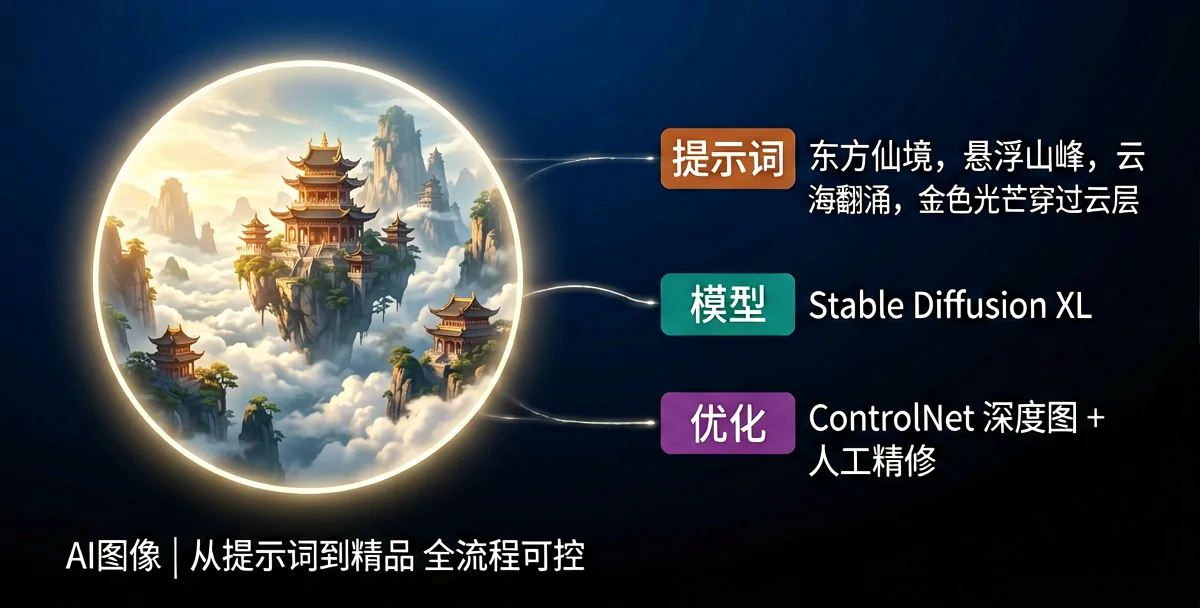
Generative AI can help museums, cultural centers, destinations, and rural tourism projects visualize craft processes, break down historic architecture, and turn local stories into short-form narratives. For organizations without a full video department, it can lower the barrier to producing a basic set of promotional assets.
Heritage content also has little tolerance for details that merely look plausible. Clothing, objects, architectural components, ritual sequences, and historical context need documentary references. Portraits of inheritors, museum collections, local music, and historical images require a clear rights scope. Marking AI-generated scenes as creative interpretation and separating them from documented facts helps prevent viewers from mistaking an artistic reconstruction for a record of history.
Where can a destination begin?
A destination with a limited budget or a small team can start with a defined package: one main destination film, several festival or event teasers, a short-form local-culture series, or multilingual visitor guidance. There is no need to begin with a giant virtual world. Once the audience, channel, source materials, and deliverables are clear, a production team can decide whether the budget belongs in scripting, live action, AI visuals, or post-production.
Visitors from outside the region may need routes, transport, pacing, and atmosphere. Local residents may respond to festivals and cultural identity. A promotional film for investment or a tourism presentation needs to explain the mix of attractions, services, and regional positioning more fully. The same destination cannot serve every audience by changing only the title.
For destination films, tourism IP shorts, intangible-heritage visuals, or digital guide assets, an AIGC cultural-tourism content production service can help identify suitable production capability. AIGCSDM is most useful here as a connection point between the organization with the brief and the creator with the right production skills. Data preparation, creative development, shot execution, and review still determine whether the project works.
From Hubei's innovation competition and Chongqing's regional creative center to Yanqing's AI short-film library call, the public updates do not establish one finished AIGC cultural-tourism formula. They show a working method taking shape: organize local resources as reusable content assets, then tell those stories in forms suited to different audiences and channels. For tourism organizations, that may be a more practical priority than chasing one particular model.


