
What Is AI Ad Design? Can AI Ad Creatives Save Money and Boost Efficiency?
In 2025, China's internet advertising market reached 793.08 billion yuan. In this trillion-yuan arena, AI ad design is reshaping creative production workflows with a disruptive force.
What Is AI Ad Design?
AI ad design refers to the process of using generative artificial intelligence technology to automatically or assistively create advertising visual materials, copy, and delivery strategies. Through multimodal fusion (text, images, video) and real-time data analysis, AI can boost ad targeting precision from 30% in traditional models to over 75%, while reducing content production costs by 60%-80%.
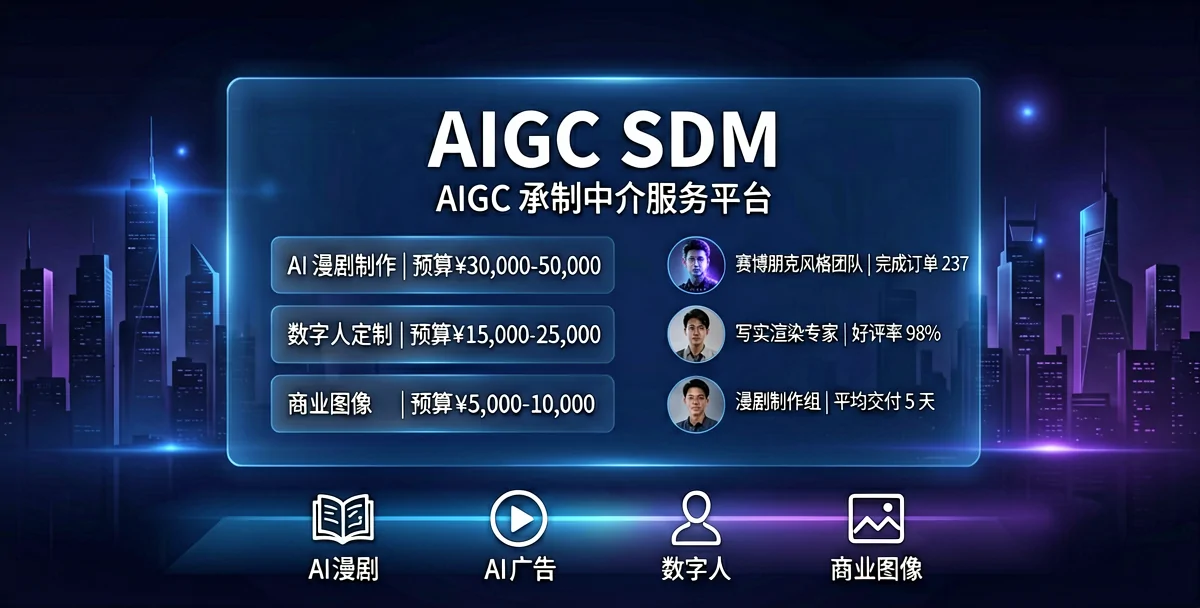
Core Technologies of AI Ad Design
1. Image Generation Models
Tools like Midjourney, GPT-image2, Ernie, and Flux2 can automatically generate product posters and scene images based on brand briefs. E-commerce teams use AI to produce product showcase materials in bulk, improving efficiency by over 10 times.
2. Intelligent Copy Generation
Large language models can automatically craft ad copy and landing page text based on target audience profiles, with A/B testing showing an average conversion rate improvement of 15%.
3. Video Creative Automation
AI can quickly transform static materials into short video ads, supporting multi-platform size adaptation. Brands can generate dozens of delivery versions from a single shoot.
Main Application Scenarios of AI Ad Design
E-commerce Marketing Visual Design
During major promotions like 618 and Double 11, merchants need massive volumes of promotional posters and hero images. AI can complete stylized designs in minutes, and designers only need to review and fine-tune.
Brand Promotional Video Production
Enterprises use AI to pre-visualize storyboard scripts, significantly shortening the pre-production communication cycle. Combined with digital human technology, multilingual ad videos can be produced at low cost.
Social Media Content Matrix
Self-media matrix operators use AI to batch-produce image-text and short video materials, enabling efficient distribution across multiple accounts.
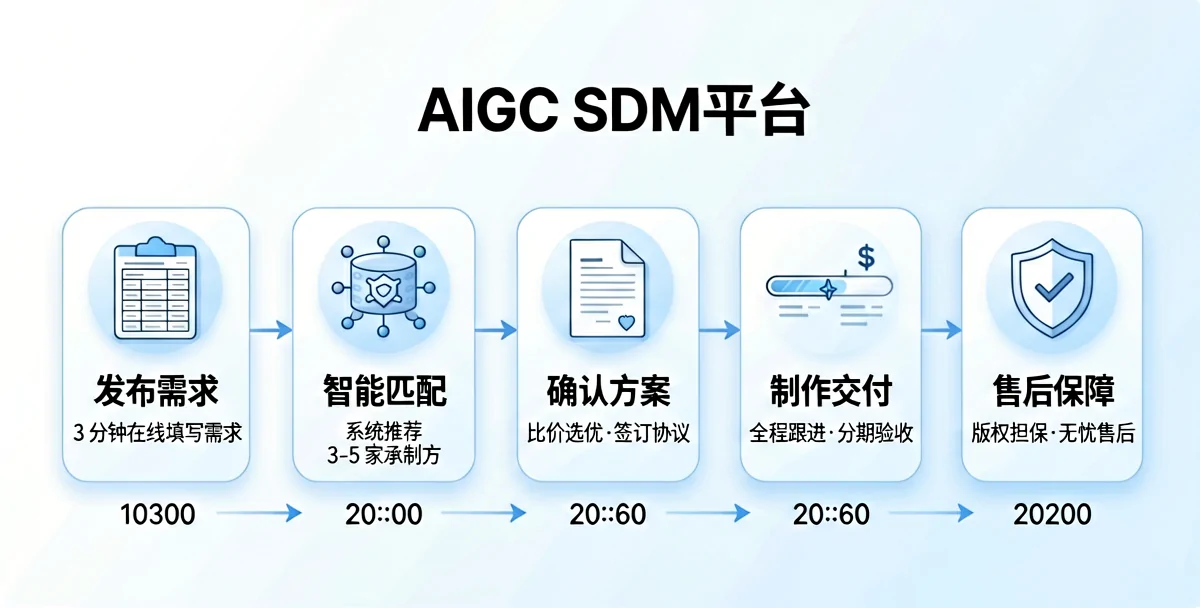
Real-World Case Studies of AI Ad Design
After a leading beauty brand implemented an AI design system, its daily poster production cycle was shortened from 3 days to 4 hours, with per-unit costs dropping by 75%. Performance data showed that AI-generated materials achieved click-through rates on par with traditionally designed work, and in some scenarios even exceeded them by 8%.
Key Considerations for AI Ad Design
Copyright Compliance: Ensure that training data and generated materials do not infringe on third-party intellectual property rights
Brand Tone Control: AI should be fine-tuned based on brand visual identity (VI) guidelines to avoid style deviations
Human Review Process: Critical delivery materials still require final review by professional designers
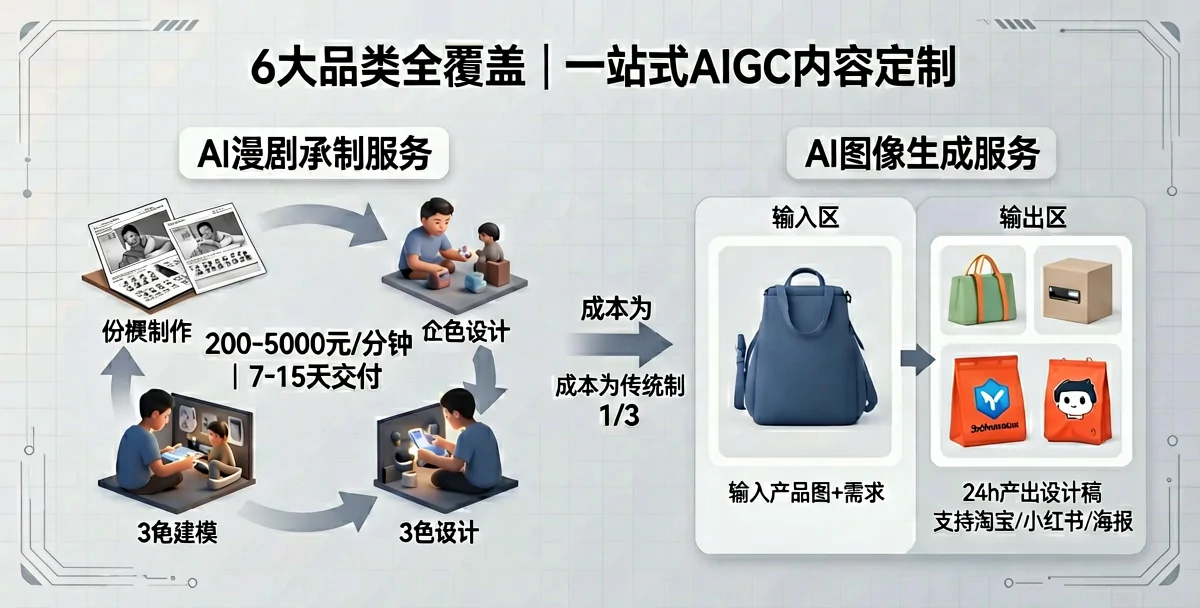
Industry Market Size and Trends
Goldman Sachs research shows that AI technology is restructuring the advertising industry's $470 billion profit pool, encompassing the shift from traditional to digital advertising ($170 billion), creative automation ($114 billion), and other core segments. By 2027, the global AI advertising market is expected to surpass the $10 billion mark.
Growth Drivers:
Breakthroughs in multimodal generation capabilities, with content quality approaching professional levels
Continuously declining inference costs for large models, making them affordable for small and medium-sized businesses
Proliferation of platform-level AI marketing tools (such as Alimama Wanxiangtai and Tencent Ads Smart Creative)
Conclusion
AI ad design is not about replacing designers — it automates repetitive tasks to unleash creative productivity. For brands and agencies seeking to reduce costs and boost efficiency, embracing AI has become an inevitable choice.
Data in this article is sourced from Beizi Network's "2025 China Digital Marketing Industry AI Application Trend Research Report," QYResearch, and Goldman Sachs Research.


