
It is easy to assume that AIGC production should be easier to schedule than a traditional shoot. There is no location to book for every scene, no weather window to wait for, and visual ideas can be tested quickly. In practice, delays usually appear around the generation step, where earlier decisions and later approvals have not been properly connected.
Unfinished requirements leave the next stage without a starting point
A brief that says “make it more premium” or “give it a stronger technology feel” does not give a production team enough to work with. Until the creative direction, audience, channel, runtime and mandatory information are agreed, the script cannot be locked. Without a script, the storyboard, visual style and character design remain provisional. A few extra days of discussion can therefore affect every asset and shot that follows.
Decision-making can create the same problem. If marketing, brand, management and an outside client give separate opinions after a draft is finished, the project can return to the concept stage. Fast generation makes another version feel cheap, but accumulated versions still consume review time and post-production capacity.
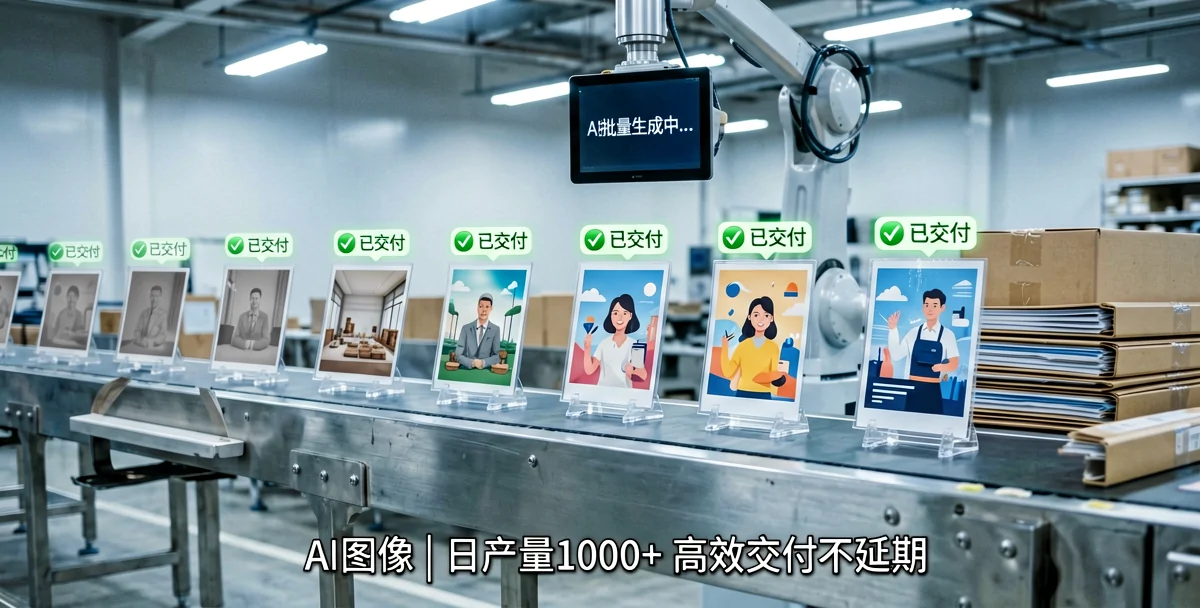
Missing assets and rights stop production before generation begins
When a project must reproduce a product, person, building, machine or brand identity, the team needs clear approved references. Product photos from several angles, logo source files, fonts, brand colors, appearance releases, location footage and final copy all matter. If one item is missing, the team may create a temporary version and later rebuild it. Discovering at delivery that a reference image or voice cannot be used commercially creates an even wider rework problem.
Client materials can also contradict one another. An old product image may sit beside new specifications, while the script uses one name and the packaging uses another. Time spent resolving these basic conflicts is not wasted production time. It prevents a finished video from being rebuilt from the beginning.
A generated frame still has to pass a quality decision
AI video often requires several rounds of generation and selection. A face, hand movement, product detail, piece of text, mouth shape, motion path or spatial relationship between shots may be just wrong enough to reject. Complex actions, multiple people, continuous camera movement and precise product presentation leave fewer directly usable results.
Without an agreed quality threshold, the team does not know which imperfections the client will accept. A project may start with a “good enough to watch” standard and later shift to a requirement that every frame withstand close inspection. The workload then has to be recalculated. The same applies to voiceover, music and captions: changing a few lines can affect lip movement, timing, edit points and the mix.

Scattered feedback turns a small delay into a schedule problem
A team cannot move to the next milestone while waiting for approval. On the other side, when a client sends one change at a time and adds a new opinion after each revision, version control becomes difficult. Feedback spread across chat, email and calls makes it hard to establish what was approved and what remains open. Sometimes the production team is moving at a reasonable speed, but the approval process is not.
Before work begins, set review points for the script, storyboard, key frames and rough cut. Assign one responsible reviewer for each stage, agree on a response window and collect comments into one round. A request to extend the runtime, change the visual direction, add an aspect ratio or create another language version should also be recorded separately, with its effect on the schedule confirmed before work continues.
Handle schedule risk before the project starts
A short brief should cover the objective, audience, available assets, visual references, verified information, quality threshold, deliverables, revision rounds and final approver. When selecting a team, look for directing, design and post-production ability alongside generation skills. A gallery of attractive images is not enough evidence of full-project delivery.
For clients and teams with limited AIGC project experience, AIGCSDM can provide a coordination point that turns a vague request into workable conditions and supports staged proposal review and acceptance. Businesses can explore AIGC production services before matching the brief with a suitable production partner. Confirming the right information early and recording new requests separately will usually prevent delays more effectively than simply asking the team to generate faster.


